Who was St. Patrick? The real story behind March 17
St. Patrick was a Briton, not an Irishman. By his own account he was captured by Irish raiders at 16, spent six years as a slave herding animals in Ireland, escaped, and later came back as a Christian missionary. He lived in the fifth century, March 17 is kept as the day he died, and much of what people believe about him, including the snakes, is legend.

In this guide
What we know from Patrick himself
Two short texts are accepted as Patrick's own writing: the Confessio, an account of his life, and a letter condemning the soldiers of a British warlord who had killed and enslaved members of his congregation. Almost everything reliable about him comes from these.
In the Confessio he says he grew up in Britain, at a place he calls Bannaven Taberniae, which has never been identified. At 16 he was captured by Irish raiders and taken to Ireland as a slave, where he spent six years herding animals. He escaped, made his way home, and later returned to Ireland as a missionary.
When he lived and died
Patrick lived in the fifth century, though historians disagree on the exact dates. March 17 is kept as the day of his death, which is why it is his feast day. The year often quoted, 461, is a traditional date, not an established one.
The legends
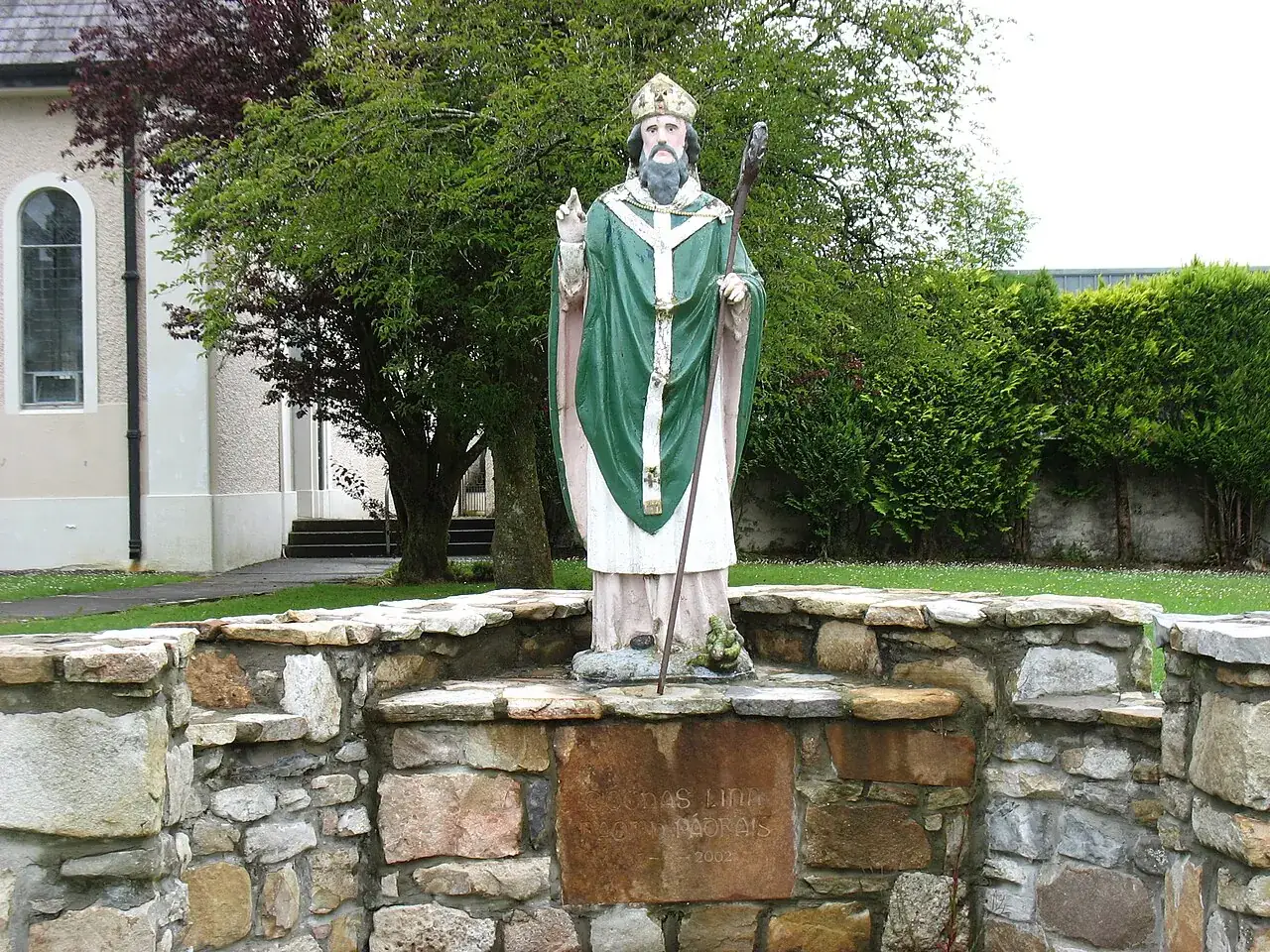
- The snakes. There is no historical evidence that Patrick drove snakes out of Ireland.
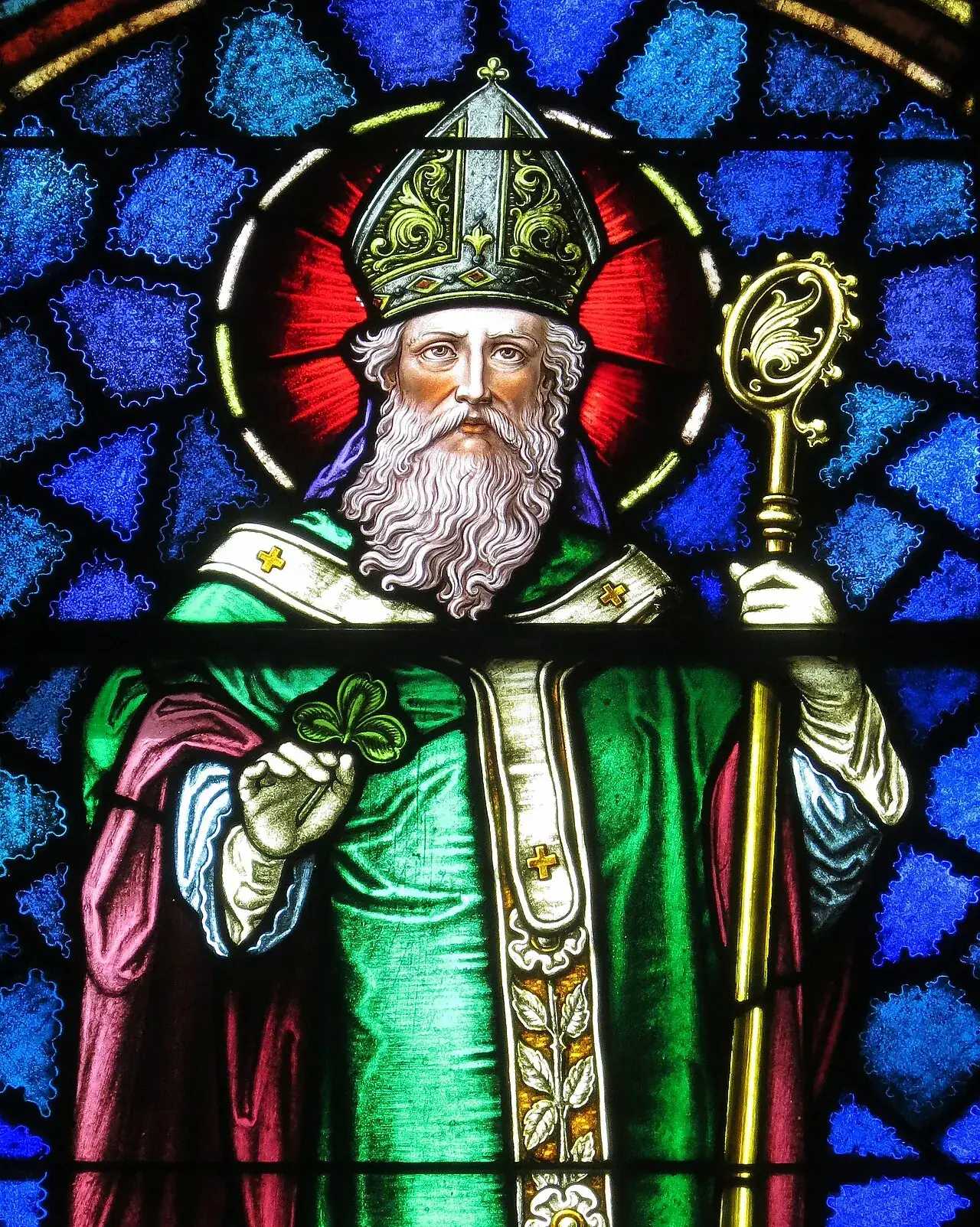
- The shamrock. The story that he used the three-leaved shamrock to explain the Holy Trinity appears in later tradition, not in his own writings. It is the reason people wear shamrock on the day. See St. Patrick's Day traditions in Ireland.
- His name. In Irish he is Pádraig, which gives the Irish name for the day, Lá Fhéile Pádraig. See how to say Happy St. Patrick's Day in Irish.
From feast day to festival
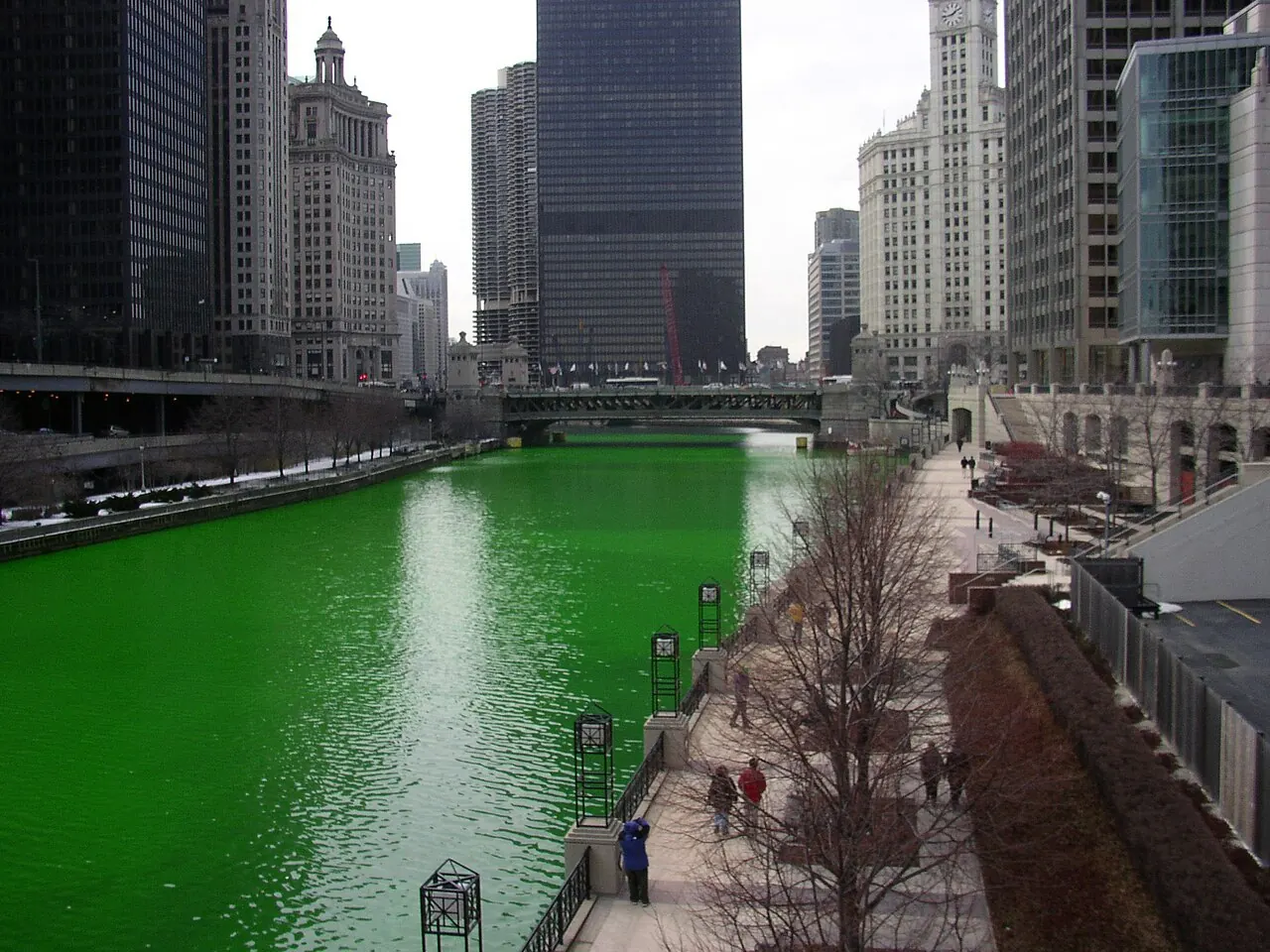
For centuries March 17 was mainly a religious feast in the middle of Lent. Today it is a public holiday in Ireland with parades in every city and town, and it is celebrated around the world. Read how the two sides of the Atlantic differ in St. Patrick's Day in Ireland vs. America.
March 17 with us
On our week at Mountrothe House in County Kilkenny, we spend St. Patrick's Day at the Kilkenny parade, have a pint at Tracie's brother's pub, and finish with dinner at the long table.
Questions people ask
Was St. Patrick Irish?
No. By his own account he grew up in Britain and was brought to Ireland as a slave at 16.
Why is St. Patrick's Day on March 17?
March 17 is kept as the day Patrick died, which makes it his feast day.
Did St. Patrick drive the snakes out of Ireland?
No. There is no historical evidence for the story.